Chinese herbal medicine has been used for thousands of years to promote healing and maintain health. As part of Traditional Chinese Medicine (TCM), herbal therapy offers a natural, holistic approach to wellness that addresses the root causes of illness rather than just symptoms. If you're curious about Chinese herbs but don't know where to start, this guide will introduce you to this fascinating healing tradition.
What is Chinese Herbal Medicine?
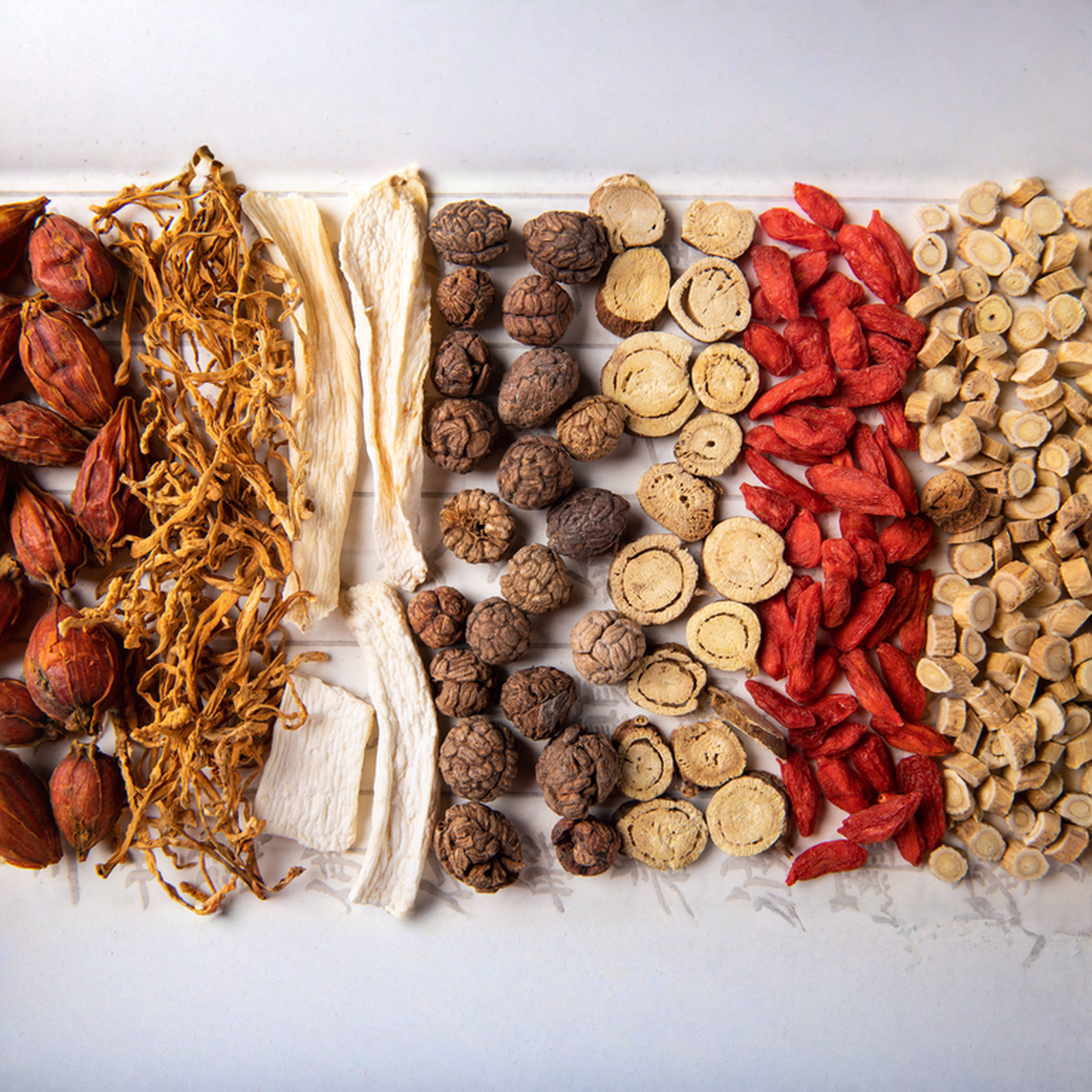
Chinese herbal medicine uses natural plant-based ingredients - including roots, bark, flowers, seeds, leaves, and fruits - to create therapeutic formulas. Unlike Western herbalism, which often uses single herbs, Chinese herbal medicine typically combines multiple herbs into formulas that work synergistically to address your specific health needs.
The Chinese pharmacopoeia includes hundreds of herbs, each with specific properties and functions. A skilled practitioner selects and combines herbs based on your individual diagnosis, creating a customized formula just for you.
How Chinese Herbs Work
From a TCM perspective, herbs work by:
- Restoring balance: Addressing excess or deficiency patterns in the body
- Moving Qi: Promoting the smooth flow of energy
- Nourishing: Supplying nutrients and building substances the body needs
- Clearing: Removing pathogens, toxins, or stagnation
- Warming or cooling: Adjusting the body's thermal balance
Each herb has specific properties including temperature (hot, warm, neutral, cool, cold), taste (sweet, sour, bitter, pungent, salty), and organ affinity (which organs it affects).
Common Chinese Herbs You Should Know
Ginseng (Ren Shen)
Perhaps the most famous Chinese herb, ginseng is used to boost energy, support immune function, and improve mental clarity. It's classified as a Qi tonic, helping to strengthen the body's vital energy.
Astragalus (Huang Qi)
Another powerful Qi tonic, astragalus supports the immune system and helps the body resist stress. It's often used for fatigue, weakness, and to prevent illness.
Goji Berries (Gou Qi Zi)
These bright red berries nourish the blood, support vision, and benefit the liver and kidneys. They're often used for eye health, fatigue, and general wellness.
Licorice Root (Gan Cao)
Called the "great harmonizer," licorice root is included in many formulas to balance other herbs and enhance their effects. It also soothes the digestive system and supports adrenal function.
Ginger (Sheng Jiang)
Fresh ginger warms the body, aids digestion, and helps relieve nausea. It's commonly used for digestive issues and cold conditions.
Chinese Angelica (Dang Gui)
Known as "female ginseng," dang gui nourishes the blood and is commonly used for menstrual issues, anemia, and circulation problems.
Forms of Chinese Herbal Medicine
Chinese herbs come in various forms:
- Raw herbs: Dried herbs that are boiled to make a tea (decoction)
- Granules: Concentrated herb extracts that dissolve in hot water
- Pills and capsules: Convenient pre-made formulas
- Tinctures: Liquid extracts
- Topical preparations: Liniments, plasters, and ointments for external use
Conditions Commonly Treated
Chinese herbal medicine can address a wide range of health concerns:
- Digestive disorders (IBS, bloating, constipation)
- Respiratory conditions (allergies, asthma, colds, coughs)
- Skin conditions (eczema, acne, psoriasis)
- Women's health (menstrual issues, menopause, fertility)
- Fatigue and low energy
- Sleep problems
- Stress and anxiety
- Chronic pain and inflammation
- Immune support
What to Expect from an Herbal Consultation
- Comprehensive assessment: Your practitioner will ask about your health history, current symptoms, diet, lifestyle, and emotional state
- TCM diagnosis: Using tongue and pulse diagnosis, they'll identify patterns of imbalance
- Custom formula: Based on the diagnosis, a personalized herbal formula is created
- Instructions: You'll receive guidance on how to take the herbs
- Follow-up: Your formula may be adjusted over time as your condition improves
Safety and Quality
Chinese herbs are generally safe when prescribed by a trained practitioner. Important considerations:
- Always work with a licensed herbalist who can properly diagnose and prescribe
- Inform your practitioner of any medications you're taking
- Quality matters - use herbs from reputable sources
- Follow dosing instructions carefully
- Report any unusual reactions
Herbs and Acupuncture: Better Together
While herbs can be used alone, they're often combined with acupuncture for enhanced results. Acupuncture works quickly on symptoms and energy flow, while herbs provide deeper, more sustained support. Together, they offer comprehensive healing.
Start Your Herbal Journey
If you're interested in exploring Chinese herbal medicine, our practitioners at Chong Acupuncture & Massage can help. We'll assess your individual needs and create a customized herbal plan to support your health goals.